
Solar Engineering InsightFebruary 22, 2026
Lithium (LiFePO4) vs Tubular & Gel Batteries for Solar in Nigeria
FT
Engr. Frank Francostech
Chief Renewable Energy Engineer
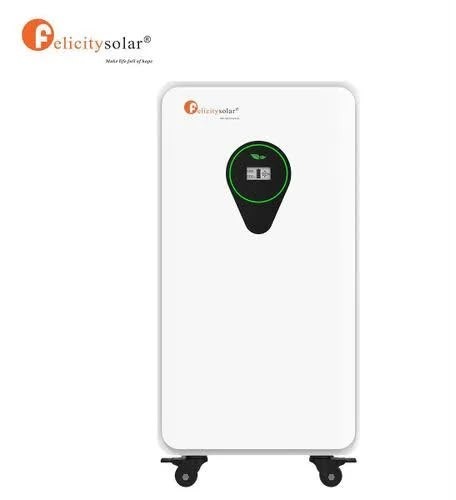
## Introduction: The Battle of Solar Battery Technologies
The battery is the single most critical investment in your solar power system. In Nigeria's tropical climate, choosing between **Lithium Iron Phosphate (LiFePO4)** and traditional **Tubular Gel/Lead-Acid** batteries dictates whether your power system lasts 12 years or fails after 18 months.
---
## Head-to-Head Comparison
### 1. Cycle Life & Lifespan
* **LiFePO4 Lithium**: 6,000+ cycles at 80% Depth of Discharge (DOD). Expected lifespan: **10 to 15 years**.
* **Tubular / Gel**: 1,200 to 1,500 cycles at 50% DOD. Expected lifespan: **2 to 3 years**.
### 2. Usable Capacity (Depth of Discharge)
* **Lithium**: You can safely discharge 80% - 90% of total rated capacity without damaging the battery.
* **Gel / Tubular**: Discharging past 50% causes severe sulphation and permanent capacity loss.
### 3. Charging Speed
* **Lithium**: Accepts high charge currents. Fully charges in **2 to 3 hours** from solar panels or generator.
* **Gel / Tubular**: Requires slow multi-stage charging taking **8 to 10 hours**.
---
## Verdict: Why Lithium is the Winner for Nigerian Homes
Although lithium batteries have a higher initial purchase price, their 12-year lifespan means you would have replaced gel batteries 4 to 5 times over the same duration, spending twice as much money overall.
Frequently Asked Questions
Q: What is the key takeaway of Lithium (LiFePO4) vs Tubular & Gel Batteries for Solar in Nigeria?
A: Professional engineering load assessment and certified equipment selection guarantee 10+ years of uninterrupted solar power in Nigeria.
Need a Custom Solar Power Quote?
Our certified engineers in Port Harcourt are ready to analyze your electrical load and design the optimal hybrid solar system for your home or business.